
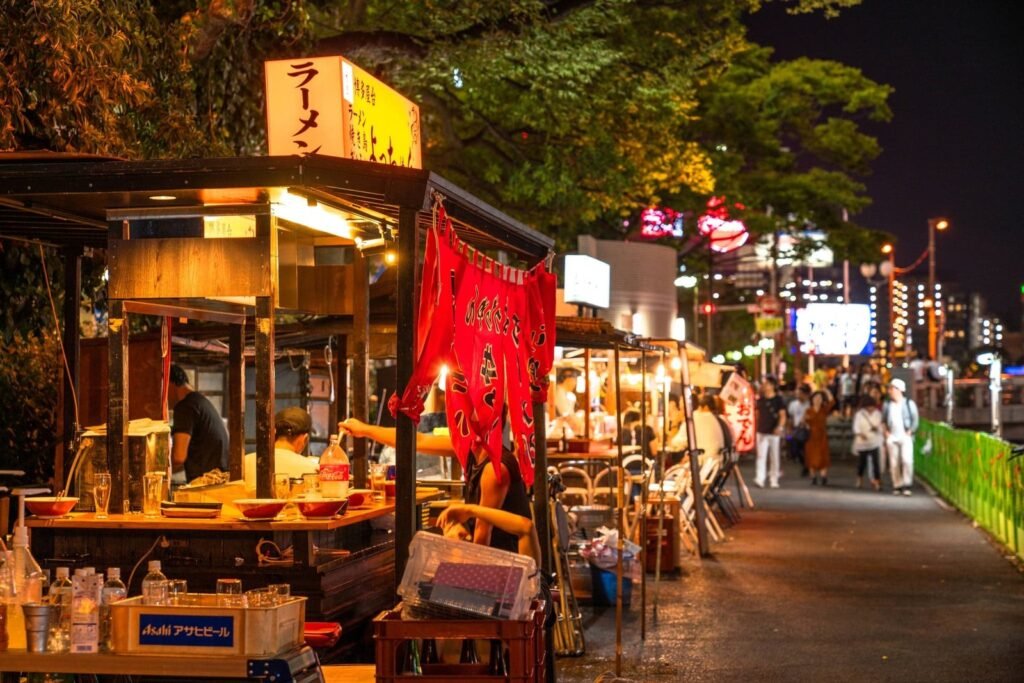
A trip to Japan for a family of 4 typically costs between $6,000 and $12,000 for a two-week stay, depending on your travel style and the season. This estimate covers international flights, mid-range hotel accommodations, local transport, and daily meals for two adults and two children. This guide breaks down the essential expenses, from peak travel times to smart ways to save on food and transit, helping you plan your family budget with confidence.
Estimating your family trip to Japan
Planning a vacation to Japan requires balancing your comfort with the realities of the current exchange rate. Most families find that the biggest variable is the time of year; traveling during the cherry blossom season in spring or Golden Week in early May often results in significantly higher prices for flights and hotels.
A common misconception is that Japan is always expensive. While luxury travel is costly, the country offers a wide variety of affordable, high-quality options for families. If you’re budget-conscious, you can save by choosing business hotels or family-friendly apartments instead of full-service luxury resorts. It’s wise to check the official exchange rate information from the Bank of Japan before you finalize your bookings. This helps you understand the value of your domestic currency once you arrive.
Planning Your Daily Expenses
To organize your spending, follow these steps to ensure you have enough for your stay.
- Book your international flights at least 4 to 6 months in advance to secure the best rates.
- Reserve family-sized rooms or rental apartments early, as standard Japanese hotel rooms are often small and designed for two people.
- Purchase a regional rail pass if you plan to visit multiple cities, as individual tickets for the Shinkansen can be costly.
- Set aside $100 per day for food, which allows for a mix of casual ramen shops, convenience store breakfasts, and one nice sit-down dinner.
- Allocate $30 per person for daily entry fees to temples, museums, and parks.
- Keep a reserve of $500 in your total budget for unexpected taxis or extra snacks.
If you choose to eat exclusively at sit-down restaurants for every meal, your food budget will easily double. If you aren’t sure about your transit needs, the Japan National Tourism Organization provides clear details on how to use public transport passes effectively. Note that children under six often ride for free, while those aged 6 to 11 usually get a 50% discount on train fares.
Key Costs at a Glance
The following figures assume a two-week stay for a family of four during the shoulder season.
| Situation | What to use | How long | What to watch for |
|---|---|---|---|
| Budget travel | Hostels / Business hotels | 14 days | Limited space in rooms |
| Mid-range | Chain hotels / Apartments | 14 days | Proximity to train stations |
| Peak season | Higher hotel rates | 14 days | Advance booking necessity |
| Regional transit | JR Pass or single tickets | 14 days | Active dates for your pass |
| Daily food | Convenience stores / Cafes | 14 days | Hidden service charges |
If you travel between mid-March and early April, expect prices to surge by 40% due to cherry blossom demand. Book your lodging at least six months ahead to avoid these premiums.
When choosing between a rail pass and individual tickets, calculate your total distance. If your itinerary stays within a single prefecture, single tickets are cheaper. If you plan to cross three or more regions, the pass pays for itself within four days of heavy travel.
Many travelers mistakenly eat every meal at sit-down restaurants. This adds roughly $120 per day to your family budget. Instead, use convenience stores for breakfast and lunch. They offer high-quality, fresh options that save you significant time and money.
Finally, confirm if your hotel includes a breakfast buffet. If it does not, you’ll spend an extra $15 per person each morning. Always check the fine print for mandatory cleaning fees that can inflate your total by 10% upon checkout.
Tips for a Smooth Experience
Experienced travelers know that the key to a successful trip is preparation and flexibility. They often prepare by mapping out their daily route in advance to minimize time spent on trains. If you carry large suitcases, you might find moving through crowded stations difficult; using the luggage forwarding service known as takkyubin is a common way to send bags between hotels for a small fee.
Checking your progress halfway through the trip is essential. If you have spent more than 60% of your budget in the first week, switch to more casual dining options for the remainder of your stay. Never try to pack too many cities into one trip. Staying in one location for three to four days allows you to settle in and find local grocery stores, which keeps your food costs low and reduces travel stress.
Troubleshooting Common Issues
If you notice your costs rising, use this table to adjust your plans quickly.
| What you notice | What it usually means | What to do first |
|---|---|---|
| High transport costs | Buying too many single tickets | Check if a regional rail pass helps |
| Expensive meals | Eating in tourist-heavy areas | Walk two blocks away from the landmark |
| Room is too small | Booking standard city hotels | Search for “family-style” or “triple” rooms |
| Budget depletion | Too many impulse purchases | Switch to local convenience store meals |
Most travelers wait until their bank balance alarms them before changing course. This mistake often costs an extra 20% in daily overhead that you can’t recover.
If you’re traveling with a group of three or more, always prioritize apartment rentals over standard hotel rooms. You’ll save on both nightly rates and breakfast costs. However, if you’re traveling solo, stick to hostels or budget chains to keep your fixed costs predictable.
When navigating transport, look for the “daily cap” rule. If your single ticket expenses exceed the price of a day pass by noon, stop buying individual fares immediately. If you find yourself spending more than $50 on dining daily, you’re likely eating near major attractions. Move two streets over to find local pricing. If the menu is printed in three languages, you’re paying a 30% premium for the convenience.
Regulations and Local Rules
Japan maintains strict rules regarding noise and waste, which can impact your budget if you aren’t careful. Always follow the local guidance on trash separation, as some areas impose fines for improper disposal. Check the specific color-coded bags required by your municipality; using the wrong bag or failing to sort recyclables often leads to your trash being rejected and left at your doorstep.
If you plan to rent a vehicle, you must hold an International Driving Permit that complies with the 1949 Geneva Convention. The Ministry of Land, Infrastructure, Transport and Tourism doesn’t accept standard foreign licenses without this document. If you present a 1968 Vienna Convention permit, rental agencies will legally refuse your service.
Always carry your passport with you, as it’s a legal requirement for foreign visitors. If you need medical assistance, look for clinics that display an “English Speaking” sign. Be aware that you may need to pay the full bill upfront in cash. Always request a detailed medical report and itemized receipt to ensure your travel insurance provider processes your reimbursement claim without delay.
Maintaining Your Budget
Once you return home, keep your receipts for at least 30 days. This helps you track your actual spending against your initial plan, which is useful for your next trip. If you used a travel card, check your final statement for any conversion fees that might have been added to your transactions.
Most travelers fail to account for the “hidden” exchange spread, which often adds 3% to every purchase. If your bank statement shows a rate significantly higher than the mid-market rate found on Google, switch to a card with no foreign transaction fees before your next departure.
To keep your memories alive without spending more, organize your digital photos into a shared album. If you have leftover yen, keep it in a labeled envelope for your next visit. Exchanging it back to your home currency often results in a loss of 10% or more due to bank fees and poor rates. If you have more than 5,000 yen left, spend it at the airport duty-free shop rather than at a teller.
When to Use Alternatives
This guide assumes you’re comfortable navigating public transit and staying in standard accommodations. If your family has mobility concerns, this approach is the wrong choice; consider booking private car services instead.
If you prefer a completely hands-off experience, a guided group tour is a better alternative. While these tours are more expensive, they handle all logistics, translations, and bookings for you.
If you’re traveling with very young children, look for hotels that specifically offer “baby-friendly” amenities. Standard Japanese business hotels often feature rooms under 150 square feet, leaving no floor space for cribs or strollers. If you see a room listing without a square footage measurement, assume it’s too small for a family of three.
When choosing between independent travel and a tour, check your daily itinerary. If you plan to visit more than two cities in a week, the stress of managing luggage on local trains often outweighs the cost savings. In that case, book a tour to avoid the physical toll of navigating crowded platforms with heavy bags.
Frequently Asked Questions
Is it safe to travel to Japan with a family?
Yes, Japan is consistently ranked as one of the safest countries in the world for families. Public spaces are clean, crime rates are extremely low, and the public transport system is reliable and safe for children of all ages.
How much should I tip in Japan?
No, there’s no tipping culture in Japan. Tipping isn’t expected and can sometimes be seen as confusing or rude, so you don’t need to add extra money to your restaurant or taxi bills.
How long does it take to get a rail pass?
It takes about 7 to 10 days to receive your Japan Rail Pass order by mail if you purchase it online before your trip. You must exchange the voucher for the physical pass at a major station once you arrive in Japan.
Can I use my credit card everywhere?
No, while many major hotels and stores accept cards, Japan is still a cash-heavy society. You should always carry at least 20,000 yen in cash for small shops, temples, and local vending machines.
What happens if I lose my passport?
You must contact your nearest embassy or consulate immediately if your passport is lost or stolen. They will provide you with an emergency travel document that allows you to return home, though this process can take several business days.
Is it cheaper to book flights and hotels together?
Yes, booking flights and hotels as a package often saves about 10% to 15% compared to booking them separately. Use reputable travel aggregators to compare these bundle deals before you commit to individual reservations.
Conclusion
Planning this adventure doesn’t have to be overwhelming if you take it one step at a time. Start by checking flight prices for your preferred dates, as they’ll be your biggest expense. Once you’ve locked those in, you’ll find that everything else falls into place much easier. You’re going to love it!


