
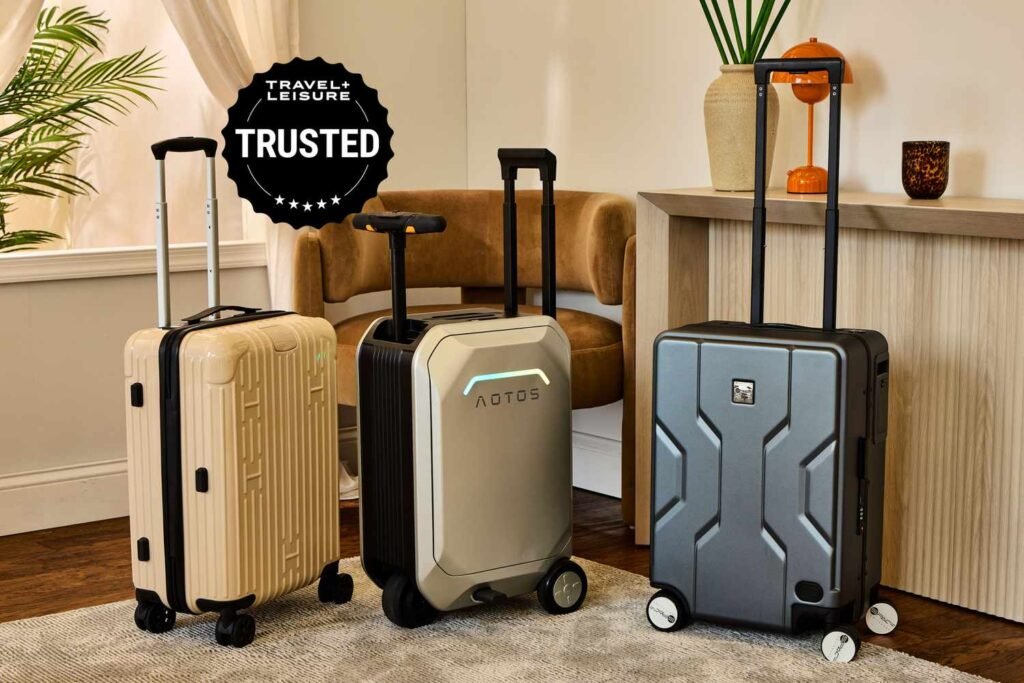
Smart luggage is a suitcase with built-in tech for charging, tracking, weighing, and security.
If you have ever wondered what is smart luggage and whether it is worth it, you are in the right place. I test travel gear for a living and have taken smart suitcases through busy hubs, strict security checks, and long layovers. This guide breaks down what is smart luggage, how it works, what to watch out for, and how to choose the right bag with confidence.
What is smart luggage? A clear definition
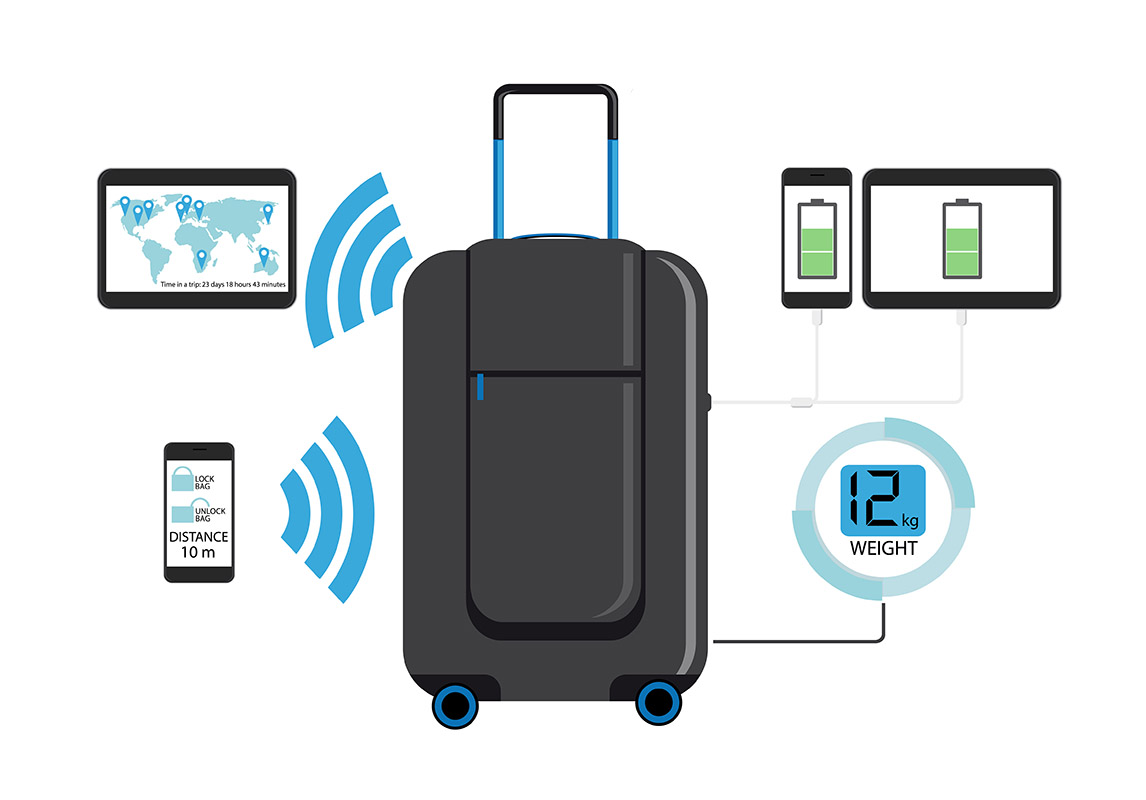
Smart luggage is any suitcase or bag that adds connected or electronic features to make travel easier. Common add-ons include USB charging, location tracking, weight sensors, app controls, and proximity alerts. In short, it blends a sturdy suitcase with travel tech.
When people ask what is smart luggage versus a standard bag, I describe it as a travel tool. It helps you charge your phone, find your bag, and avoid overweight fees. Some models even add auto-follow or remote locking.
I first tried smart luggage on a multi-city trip. The built-in scale saved me from a surprise fee, and a tracker helped me spot my bag sitting in the wrong hall. When friends ask me what is smart luggage in practice, I say it is peace of mind in a box on wheels.
:max_bytes(150000):strip_icc()/tal-compact-carry-ons-primary-kramos-1058-1-522c0fea729643d2b5d0348b82c04c1b.jpeg)
How smart luggage works: the core tech
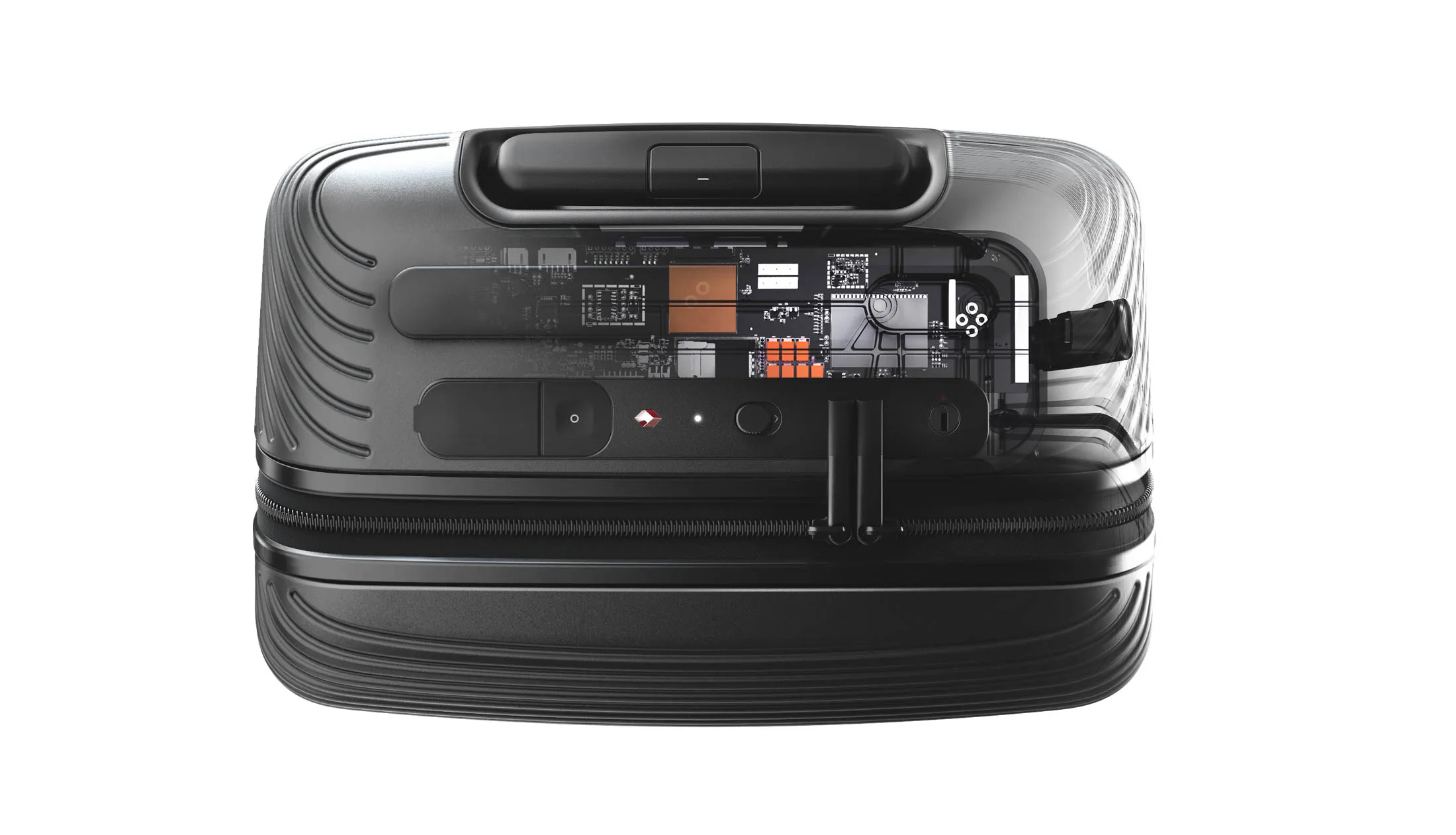
Most smart suitcases use a small battery and a set of sensors. Bluetooth connects the bag to your phone for lock control, weight readings, and proximity alerts. Some models add GPS or cellular tracking for wider coverage when the bag is far away.
Key parts include:
- Removable lithium-ion power bank for charging and smart features.
- Bluetooth module and app for controls and alerts.
- Sensors for weight and movement.
- Optional GPS or LTE module for live location updates.
Features you may see in smart luggage
Most models include a mix of the following:
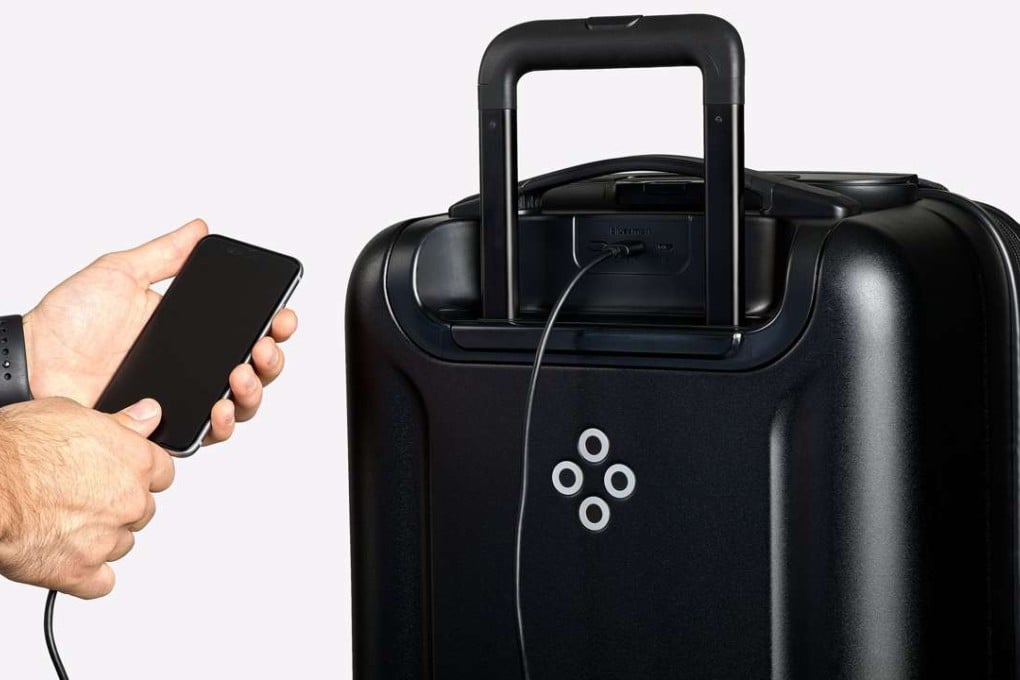
- USB or USB-C charging ports so you can charge devices on the go.
- Removable power bank, which is required by many airlines if you check a bag.
- Built-in digital scale in the handle to prevent overweight fees.
- Bluetooth tracking and proximity alerts when you walk away from your bag.
- GPS or cellular tracker for long-range location in busy airports.
- Smart lock with app control, sometimes with TSA access.
- Integrated app with trip tools, battery status, and support.
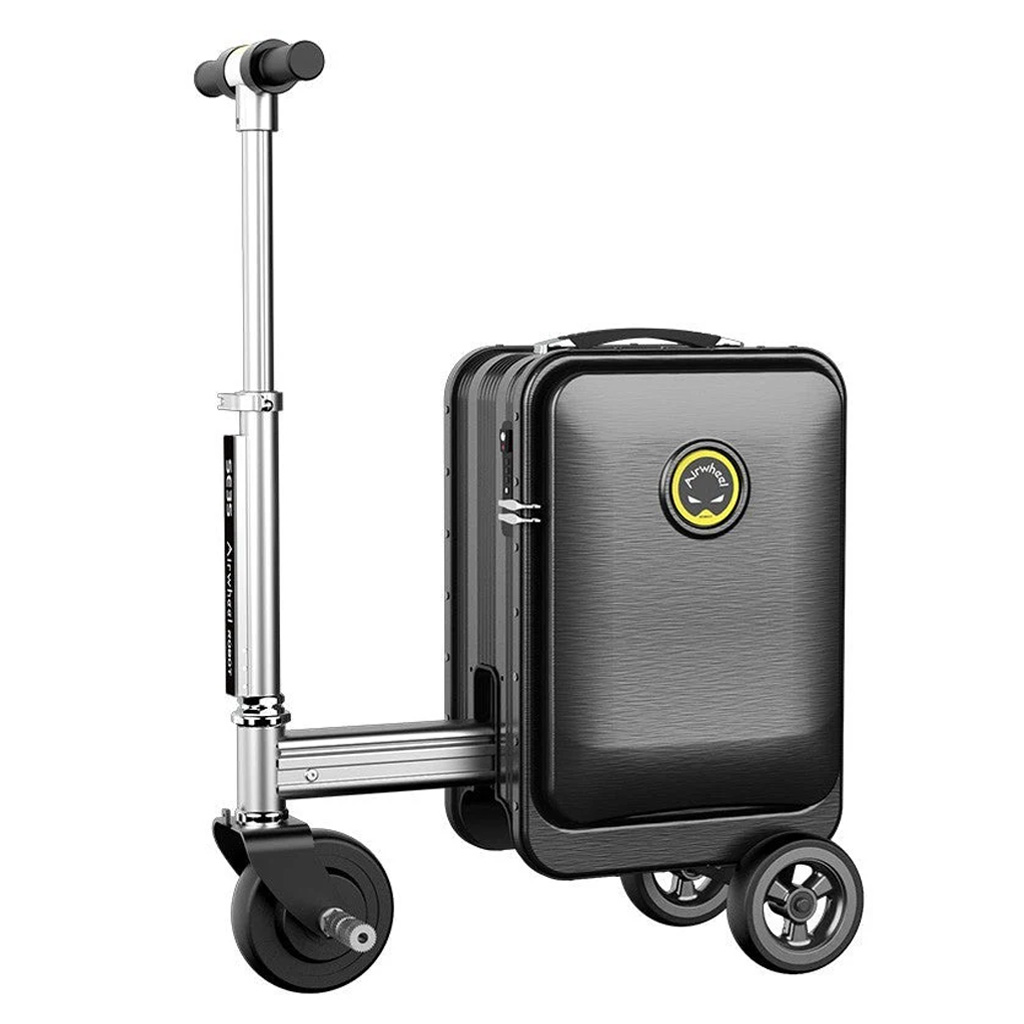
- Auto-follow robots on some niche models, which is more of a novelty today.

Benefits and real-life gains
Here is where smart luggage shines:
- Fewer surprises at the counter. The scale helps you pack right the first time.
- Power on demand. Charge your phone during delays and keep boarding passes handy.
- Faster bag recovery. Track your bag if it takes a detour.
- Smooth check-ins. Many bags have strong wheels and handles to match the tech.
On a recent flight, my carry-on’s proximity alert pinged when I left it at a coffee stand. That alert saved my laptop. That is what is smart luggage doing for you when you need it most.
Limits, risks, and rules you should know
Smart luggage is useful, but not perfect:
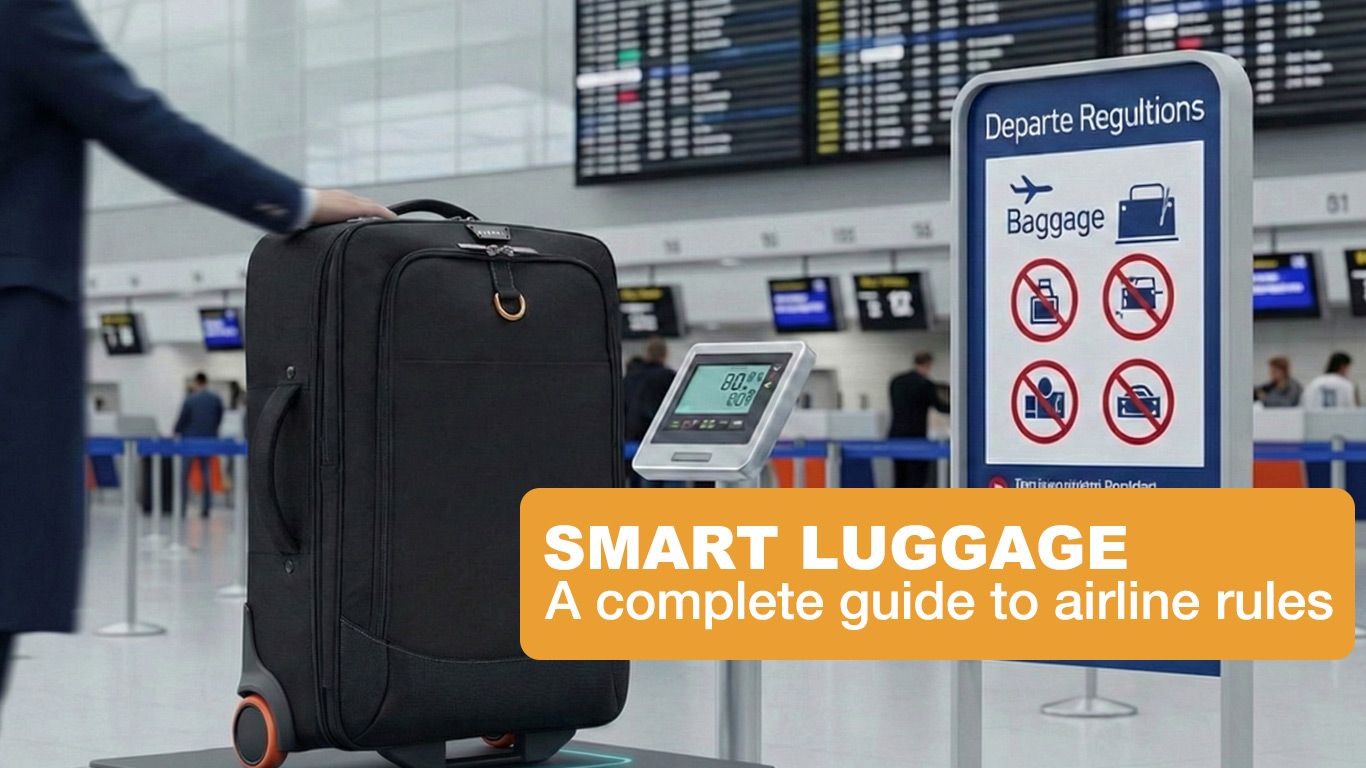
- Airline rules: If the battery is not removable, you may not be able to check the bag.
- Battery size: Most rules allow up to 100 Wh in carry-ons. Between 101 and 160 Wh may need approval. Checked bags cannot contain lithium batteries.
- Lock access: TSA must be able to open your bag. Remote locks should not block their access.
- Tracking gaps: Bluetooth works near you. GPS and cellular need power and signal.
- Weight and space: Tech adds weight and reduces packing space a bit.
- Privacy: Be mindful of what you store in the app and who has access to the bag.
These points are based on civil aviation and airline guidance used worldwide. Always check your specific airline before you fly.

What is smart luggage compliance with airlines?
Airlines updated policies after reports of battery risks. That is why what is smart luggage compliance matters so much today. The key rule is simple: the battery must be removable.
Most airlines require:
- For carry-ons: Removable battery is allowed. Keep it installed unless asked to remove it.
- For checked bags: Remove the battery and bring it in your carry-on. Some airlines will not accept bags if the battery is not removable.
- Battery capacity: Stay at or under 100 Wh without special approval.
If your bag has GPS or cellular tracking, confirm it auto-sleeps during flight or complies with radio rules.
How to choose the right smart luggage
Use this checklist to pick the best match:
- Airline fit: Size and weight that meet your usual airline’s rules.
- Removable battery: Must-have for check-in flexibility.
- Durable build: Polycarbonate shell or high-denier fabric with solid zippers.
- Smooth wheels: True spinner wheels that roll well on uneven floors.
- Tracking: Built-in GPS or room for an AirTag or similar device.
- Scale: Helpful if you often check bags.
- Warranty and support: Easy battery replacement and responsive service.
- Price and value: Pay for features you will use, not just the flashy stuff.
Pro tip from my testing: I prefer a carry-on with a removable battery and a slot to park my own tracker. That combo gives strong coverage with less hassle.

Setup, security, and privacy tips
Follow these steps the first time you use the bag:
- Charge the battery to 80 percent before a trip.
- Update the app and firmware at home on strong Wi-Fi.
- Pair the bag, set lock codes, and test proximity alerts.
- Add a phone number on a tag as a backup.
- Set geofence or lost-mode alerts only where you need them.
- On check-in, remove the battery if required and keep it with you.
If you ask what is smart luggage best practice, this is it: keep controls simple and power topped up.
Care, charging, and lifespan
A little care makes the tech last:
- Store the battery at about 50 percent if you will not travel for a while.
- Avoid full drain cycles all the time. Top it up during long travel days.
- Keep ports and zippers clean. Dust reduces charging speed and snags fabric.
- Replace the battery every few years, or sooner if it swells or degrades.
Treat the case like a laptop with wheels. Gentle care goes a long way.
Smart luggage alternatives: modular and flexible options
You do not need to buy a high-tech bag to get the perks. You can build your own smart kit:
- Standard suitcase with strong wheels and a great handle.
- Slim power bank with USB-C PD for fast charging.
- Bluetooth tracker or a small GPS tracker in the bag.
- Handheld luggage scale for fast weight checks.
This setup is light, cheap, and easy to upgrade. It also avoids airline issues tied to built-in batteries. When readers ask what is smart luggage without the baggage, I point them to this modular path.
Cost and value: is it worth it?
Expect to pay more than a normal suitcase. Prices vary by brand and features. Premium shells, strong wheels, and real support raise the cost.
Think in terms of value:
- Avoided overweight fees can pay for a bag in a few trips.
- Saved time and fewer lost items reduce stress.
- Resale value holds up if the battery is easy to replace.
What is smart luggage value depends on how often you fly, and how much those features help you day to day.
Frequently Asked Questions of what is smart luggage
What is smart luggage in simple terms?
It is a suitcase with built-in tech like charging, tracking, and smart locks. It helps you travel with less stress and more control.
Do airlines allow smart luggage?
Yes, as long as the battery is removable. If you check the bag, remove the battery and carry it with you.
Can I put smart luggage in checked baggage?
You can check the bag, but remove the lithium battery first. Most airlines will not accept a checked smart bag if the battery cannot be removed.
Is a built-in GPS better than a Bluetooth tracker?
GPS offers wider coverage but needs more power and can cost more. A Bluetooth tracker is cheap and great in airports where many devices can ping it.
How long does the battery last?
Most power banks last a full travel day of phone charging. For tracking-only use, many setups can go several days if you keep updates light.
What is smart luggage best for?
It is best for frequent flyers who want charging, tracking, and weight checks in one place. It also helps if you connect through busy hubs where bags can go missing.
Are smart locks TSA compliant?
They can be, but make sure the lock also has TSA access. The TSA must be able to open the bag when needed.
Conclusion
Smart luggage blends a tough suitcase with handy travel tech. It charges your phone, tracks your bag, warns you when you walk away, and keeps weight in check. If you have been asking what is smart luggage and whether it fits your trips, start with a removable battery, simple tracking, and a case that rolls smooth.
Pick one feature that solves your biggest pain point and try it on your next flight. Ready to go deeper? Subscribe for gear tests, packing tips, and new airline policy updates.


