
Linear inches equal L + W + H; follow airline limits and add a sturdy tag.
If you have ever stood at check-in wondering if your bag will pass, you are not alone. This ultimate guide to luggage size and linear inches rule add tag shows you how to measure, compare airline rules, dodge fees, and label your bag with confidence. I share hard data, real wins, and mistakes I made so you can travel light, safe, and stress free.
What the linear inches rule means and why airlines use it
Linear inches means the total of length, width, and height. The common checked bag limit is 62 linear inches or 158 cm. Most airlines count wheels and handles in that size. They use this rule so bags fit in cargo holds and move on belts.
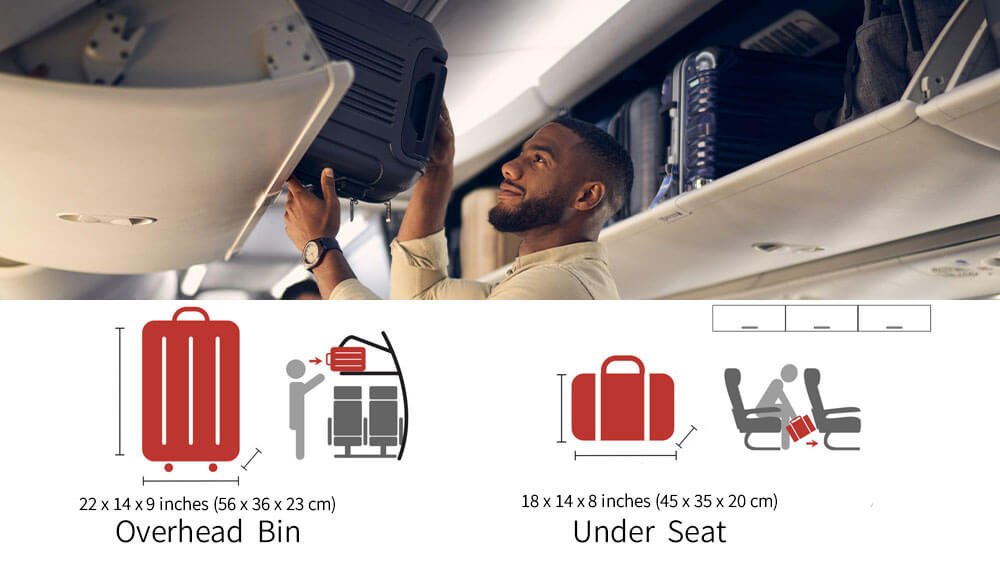
Carry-on bags are often set by three sides, like 22 x 14 x 9 inches. That is a form of size rule too, just not stated as linear inches. Crew at the gate may still use a sizer to check the box fit.
I will use clear steps and plain words in this ultimate guide to luggage size and linear inches rule add tag.

Standard carry-on size limits across airlines
Many US airlines allow 22 x 14 x 9 inches for carry-on. Some global lines use 55 x 35 x 23 cm. Weight limits can be strict outside the US. You may see 7 kg, 8 kg, or 10 kg.
Watch your personal item too. Common sizes are near 18 x 14 x 8 inches. It must fit under the seat. A slim backpack or tote is best.
You will see the key facts as you move through this ultimate guide to luggage size and linear inches rule add tag.
Checked baggage size rules and exceptions
The most common checked bag size is 62 linear inches. The usual weight is 50 lb or 23 kg. Some premium cabins allow 70 lb or 32 kg. Sports gear and musical tools often have special rules.
Wheels and handles count. A 29 inch case can still pass if the sum is 62 inches or less. Large hard shell cases may fail by one inch due to thick corners. Check your bag at home.
This point is central to the ultimate guide to luggage size and linear inches rule add tag.

International vs US carriers: key differences
US carriers are size driven for carry-on. Weight checks are rare. Non US carriers often weigh cabin bags at the gate. That can be strict.
Asia and Europe tend to allow one cabin bag plus one small item. Low cost lines may sell priority to bring a larger cabin bag. Always read the small print before you fly.
You will see these contrasts mapped in the ultimate guide to luggage size and linear inches rule add tag.
Oversize and overweight fees: how they stack
If your bag is 63 to 80 linear inches, you will likely pay an oversize fee. It can range from about 100 to 200 USD on many routes. Above 80 inches, bags may need cargo or special handling. Overweight fees start at 51 lb in most cases.
Fees can stack. A bag can be both oversize and overweight. That can be costly. Plan to avoid both.
This fee math is a key part of the ultimate guide to luggage size and linear inches rule add tag.

How to measure luggage correctly at home
Use a tape measure. Place the bag on a flat floor. Measure length, width, and height at the widest points. Include wheels, feet, and handles. Add the three numbers to get linear inches.
Do this before you pack. Bags puff when full. A soft case can swell past the limit. Note both inches and cm. Some airlines list only metric sizes.
Follow this method from the ultimate guide to luggage size and linear inches rule add tag to be sure.

Choosing the right suitcase for your trips
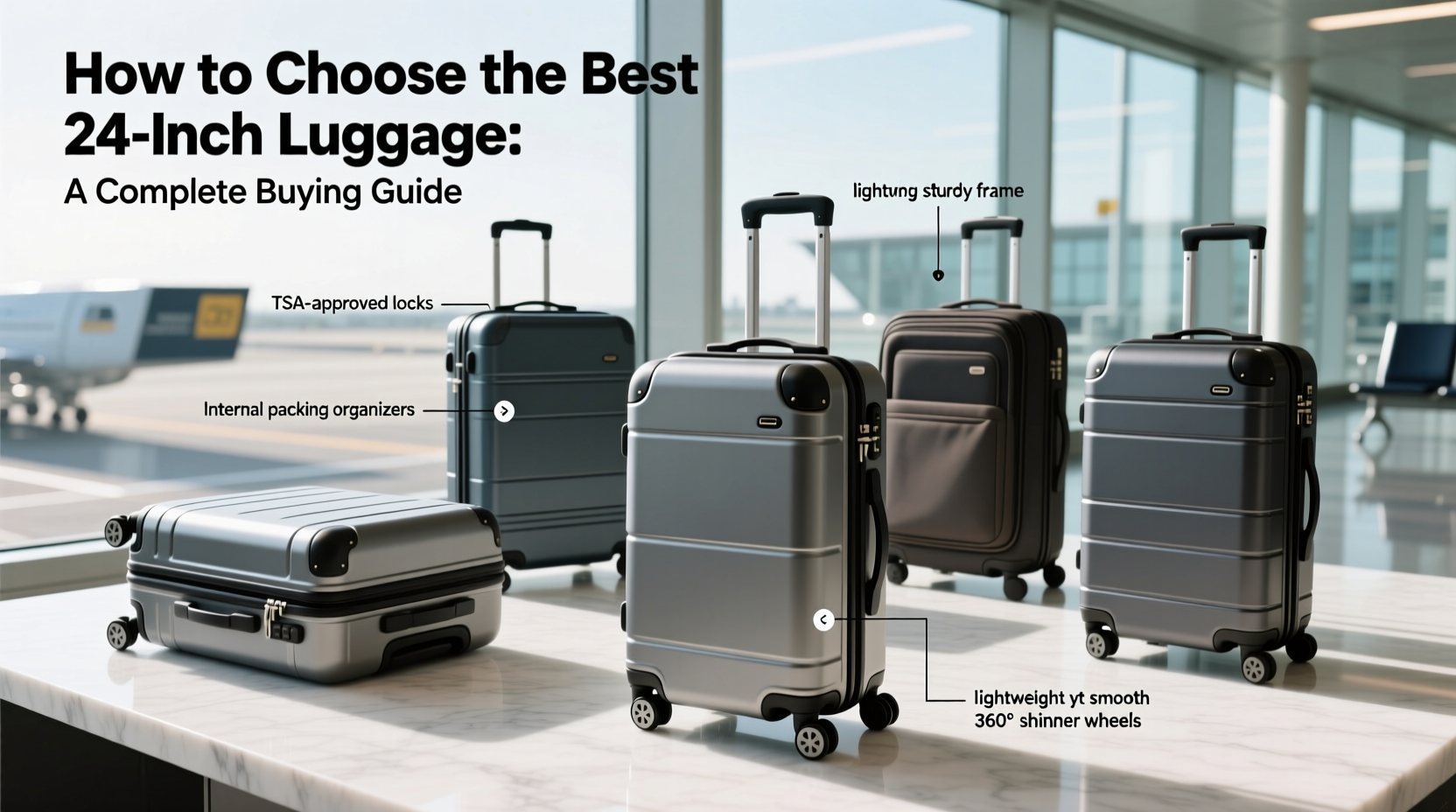
Pick size by trip length and airline rules. For a week, a 25 to 26 inch checked case often works and stays near 62 inches. For short trips, a 21 to 22 inch carry-on is best. A soft case can flex into sizers. A hard side can protect gear.
Check the wheel style. Spinner wheels eat into size and crack more often. Larger two wheels roll well and add less length. Light frames help with weight caps.
I compare these trade offs in the ultimate guide to luggage size and linear inches rule add tag.

Packing strategies to stay within size limits
Pack in cubes to keep shape and stop bulge. Wear your heaviest shoes and jacket. Use a compressible tote as a personal item. Move dense items to your small bag if carry-on weight is checked.
Leave dead space free. Tuck belts, socks, and cables into shoes. Use a small scale at home. It helps to avoid last minute repacks at the desk.
These steps come from field tests in the ultimate guide to luggage size and linear inches rule add tag.
Luggage tags and smart trackers: how to add tag the right way
Always add a tag. Put your full name, phone with country code, and email. Add your city and a backup contact. Avoid your full home address for privacy. Place one tag outside and a spare info card inside.
Use a tough tag holder. Metal or thick silicone lasts. For smart tags, place a tracker like an AirTag or Tile in a small inner pocket. Update the device name with your route. This helps you and agents find your bag fast.
This add tag advice is a core piece of the ultimate guide to luggage size and linear inches rule add tag.
Common mistakes travelers make and how to avoid them
People forget wheels count in size. They also trust brand names like “carry-on” without checking real measures. Some pack a bag to the brim, then it swells past a sizer. Others skip tags and cannot prove the bag is theirs.
Fix these with a tape, a scale, and a checklist. Read your fare rules. Take a photo of your bag and tag before you check it. Keep claim numbers handy.
These fixes are woven through the ultimate guide to luggage size and linear inches rule add tag.
Real-world scenarios and case studies from frequent travel
On a work trip, my 24 inch hard case measured 63 linear inches with wheels. One inch over led to a 150 USD fee. I swapped to a 25 inch soft case with slimmer wheels. It came to 60.5 inches packed and passed on four flights.
On a family trip to Europe, our cabin bags met size, but weight rules caught us. We spread books and chargers into small totes. We passed the reweigh. Our AirTags showed a delayed bag stuck in transfer. We shared the live spot with staff and got it same night.
These stories ground the ultimate guide to luggage size and linear inches rule add tag in real use.
Handy tools, calculators, and a printable checklist
Use a soft tape, a small scale, and a box sizer at home if you have one. Simple phone notes can track each bag’s size and weight. A checklist helps you confirm tags, ID, and rules by airline.
Before you book, scan the airline page for carry-on, personal item, and checked limits. Watch for fare class limits on basic or light fares. Save a screenshot for proof at the airport.
These tools round out the ultimate guide to luggage size and linear inches rule add tag.
Frequently Asked Questions of ultimate guide to luggage size and linear inches rule add tag
What does 62 linear inches mean for checked bags?
It means the sum of length, width, and height must be 62 inches or less. Include wheels and handles in your measure.
Do airlines measure carry-on bags by linear inches?
Most use fixed dimensions like 22 x 14 x 9 inches. Some also enforce weight, especially outside the US.
Are handles and wheels included in size limits?
Yes, almost all airlines include external parts. Measure at the widest points to be safe.
What happens if my bag is 63 linear inches?
It may incur an oversize fee, often 100 to 200 USD. Fees vary by route and cabin.
How can I avoid oversize fees?
Buy luggage that sums to 60 to 62 inches when full. Measure and weigh at home and keep bags from bulging.
Should I put my home address on a luggage tag?
Use your name, phone, and email. Add your city, not full address, for privacy.
Do smart trackers like AirTag help with lost bags?
Yes, they show last known location. Share that info with airline agents to speed recovery.
Conclusion
You now know how to measure, choose, pack, and tag bags with skill. Keep the 62 linear inches rule in mind, confirm airline limits, and add a clear tag inside and out. Use a tape and scale before you leave, and you will save time, money, and stress.
Put this advice to work on your next trip. Measure your current bags today, add a durable tag, and make a simple checklist. If this guide helped, share it with a friend, subscribe for more travel tips, or leave a question for me to answer next.


